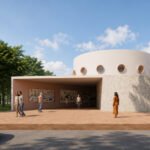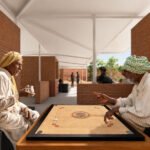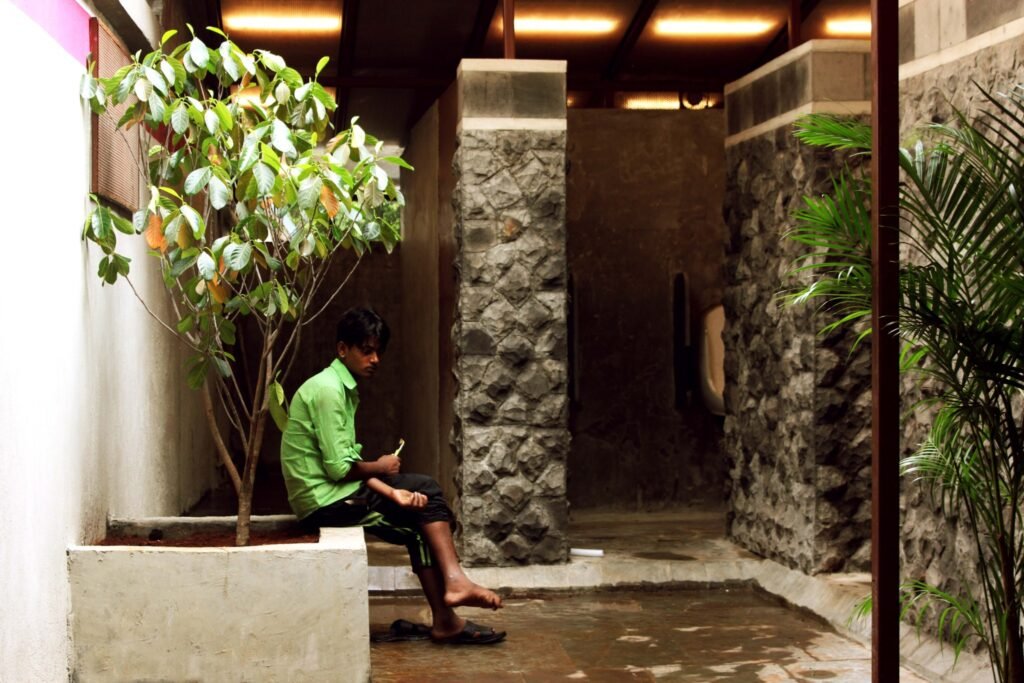
Courtyards have long been an integral part of architecture across cultures and climates, from the intimate courtyard homes of Kerala to the Court of the Lions and the traditional siheyuan houses of Beijing. Regardless of scale or material, whether in stone, steel, wood, or concrete, the courtyard remains one of the most enduring architectural forms. It responds naturally to climate, adapts across scales, and accommodates a wide range of human activities, from waiting and resting to gathering and celebration.
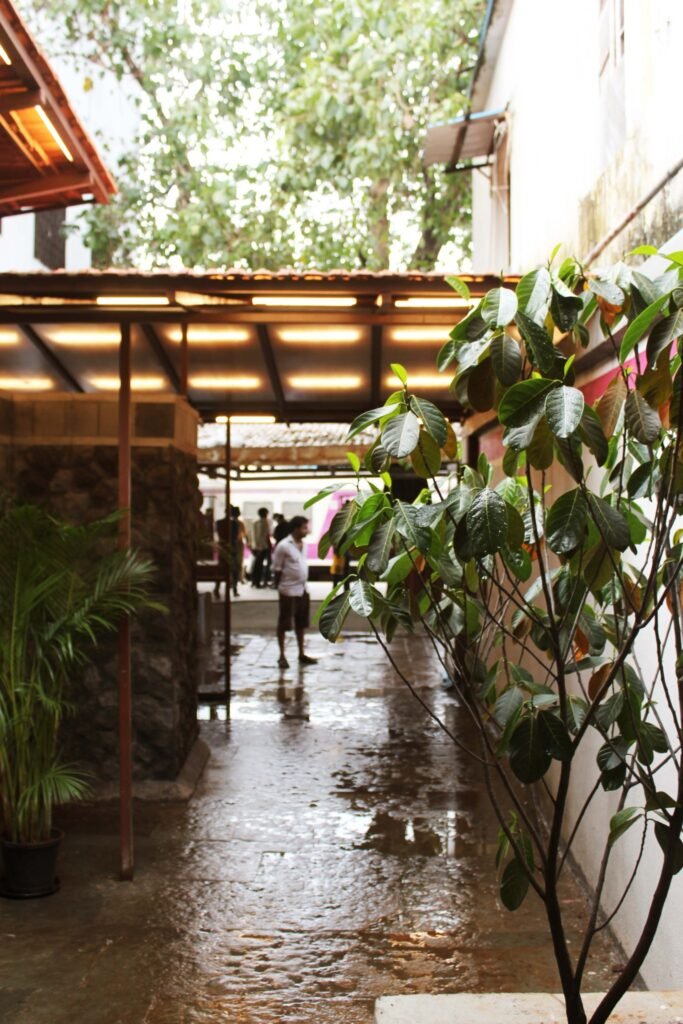
The design of the toilet complex is centered around this timeless idea for two key reasons. First, the courtyard allows abundant natural light to enter, acting as a natural disinfectant while improving hygiene and comfort. It enables hot air and foul odors to escape, while daylight reflected from the court enhances the illumination of the surrounding spaces. Second, it functions as a spatial buffer that helps accommodate the floating population during peak rush hours.
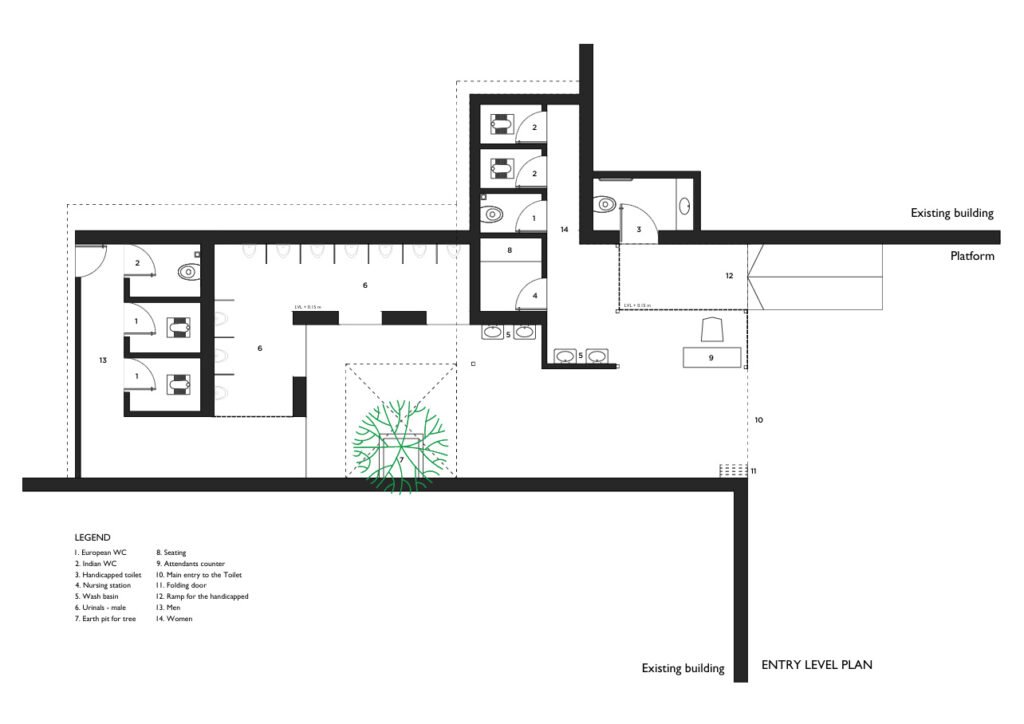
The entire plan is organized around an open-to-sky courtyard, where a papaya tree becomes the focal element, framed by natural light. This visual moment is designed to ease the user psychologically, creating a sense of calm before entering the facility.
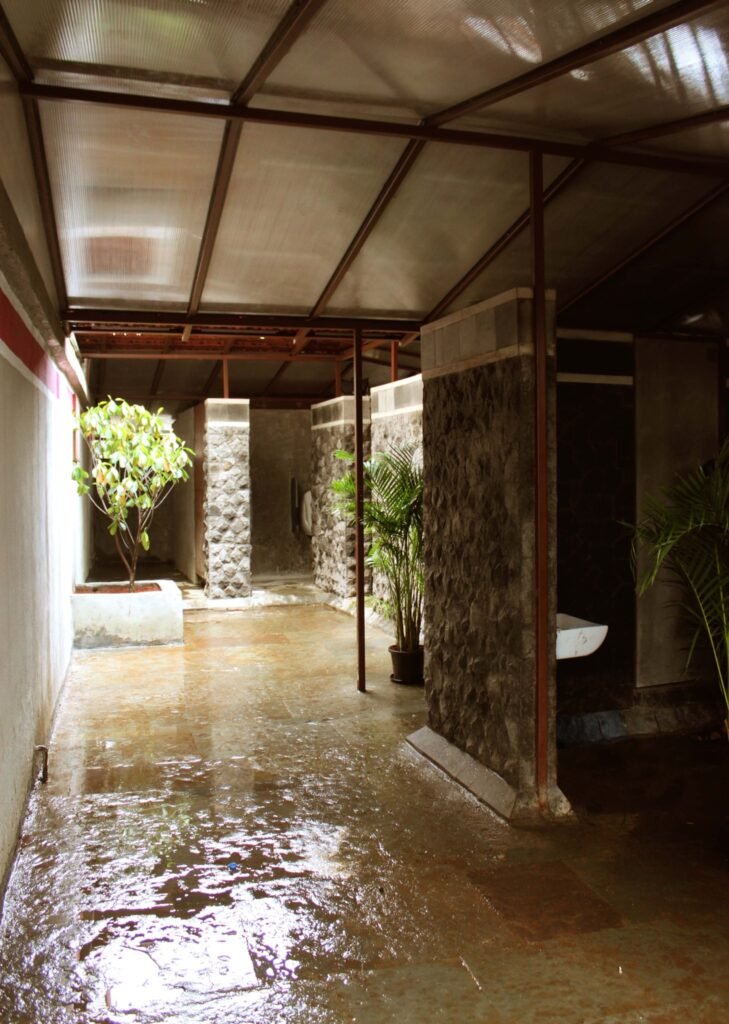
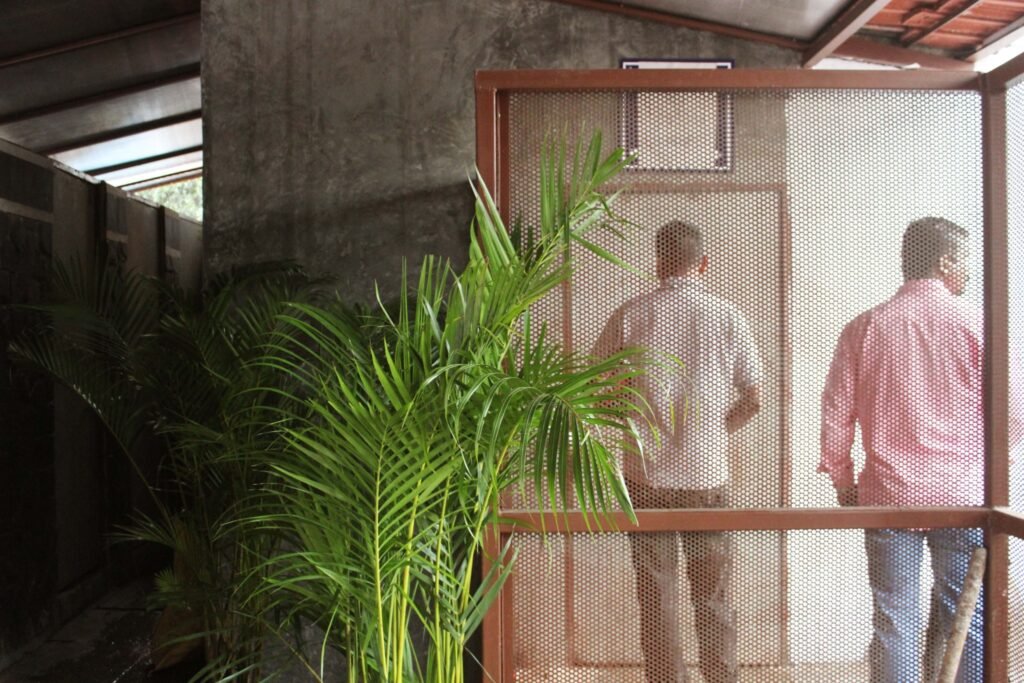
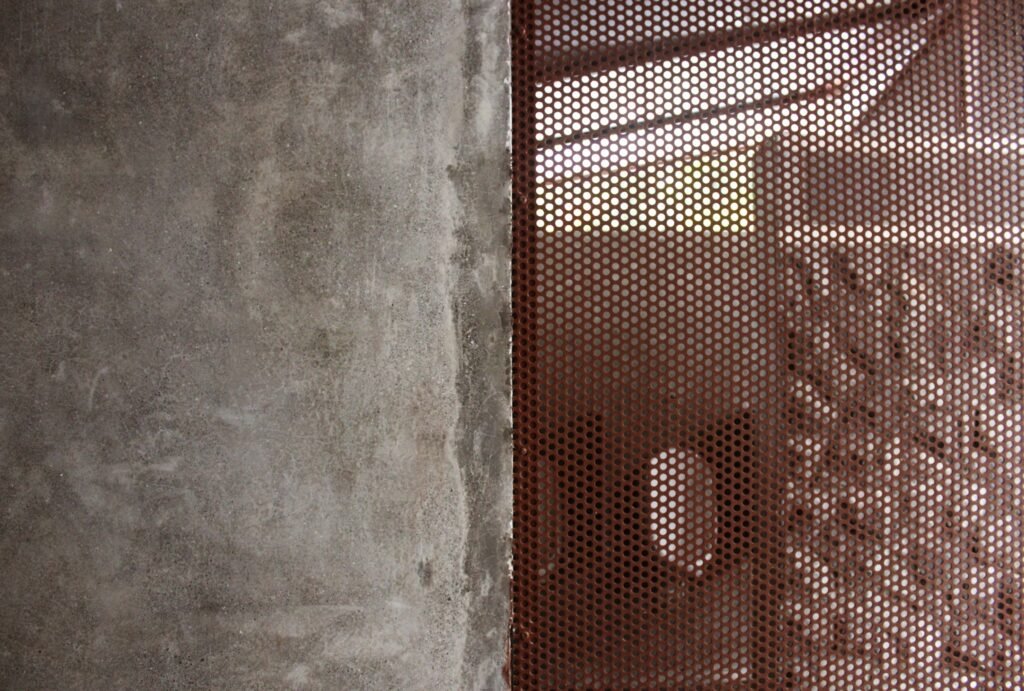
At the entry, the accessible toilet is positioned to the extreme right and is approached through a dedicated ramp. Adjacent to it is the attendant’s desk, defined by a niche enclosed with a perforated screen. Beyond this, a passage leads to the women’s toilet, comprising three toilet cubicles and a dedicated nursing and changing room.
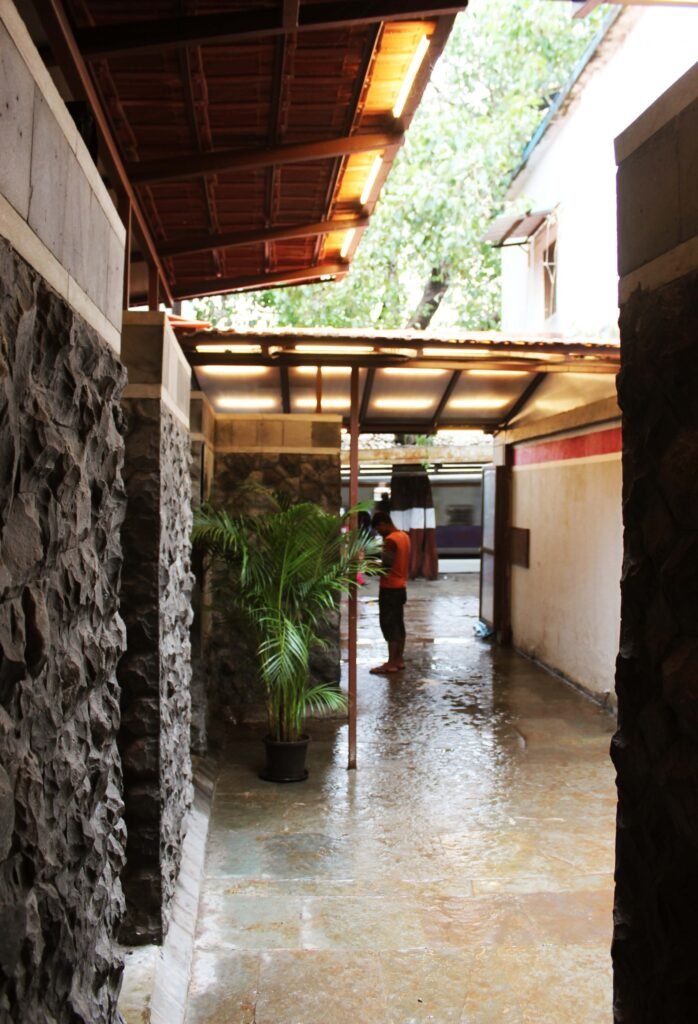
The men’s urinals, twelve in total, are arranged around the courtyard to efficiently serve the high floating male population. This configuration allows the courtyard to absorb spill-over crowds while maintaining ventilation and daylight. Further within, a passage leads to three enclosed male toilet units.
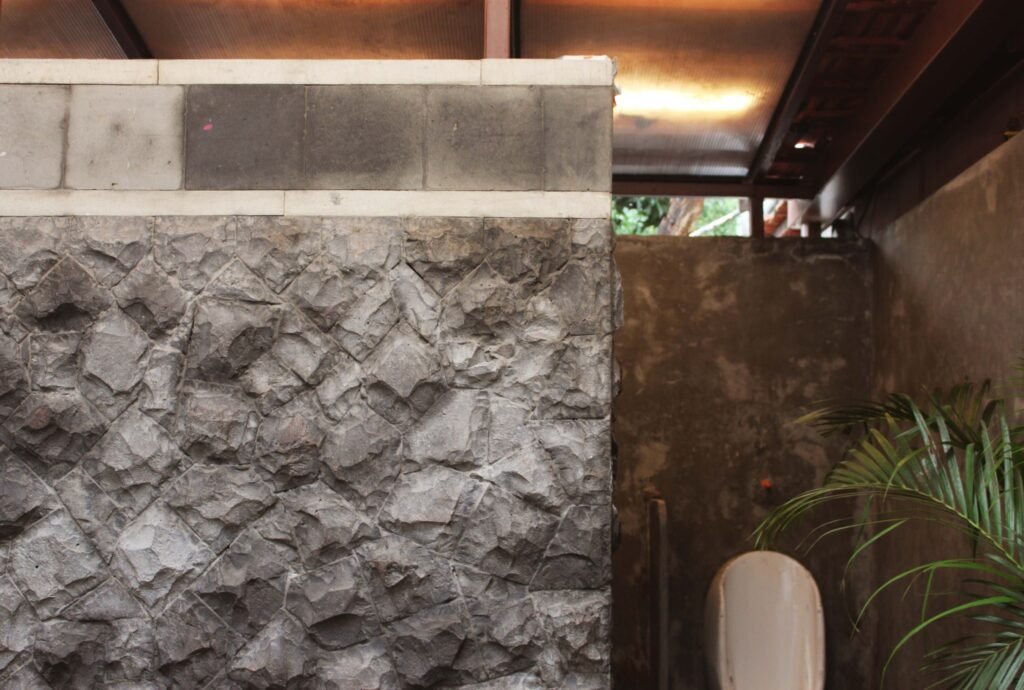
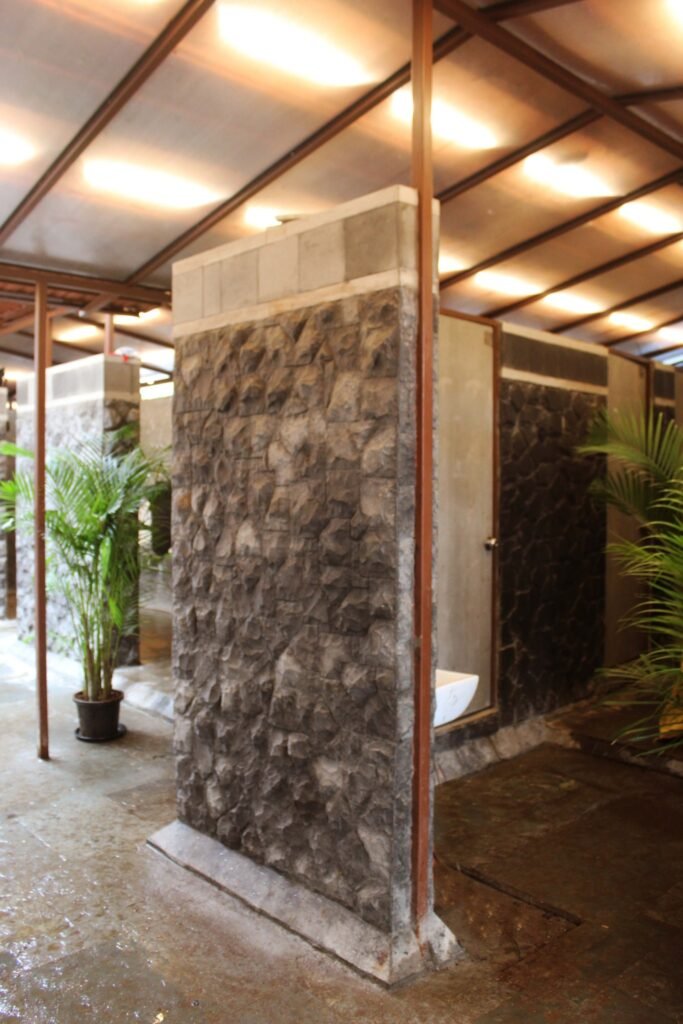
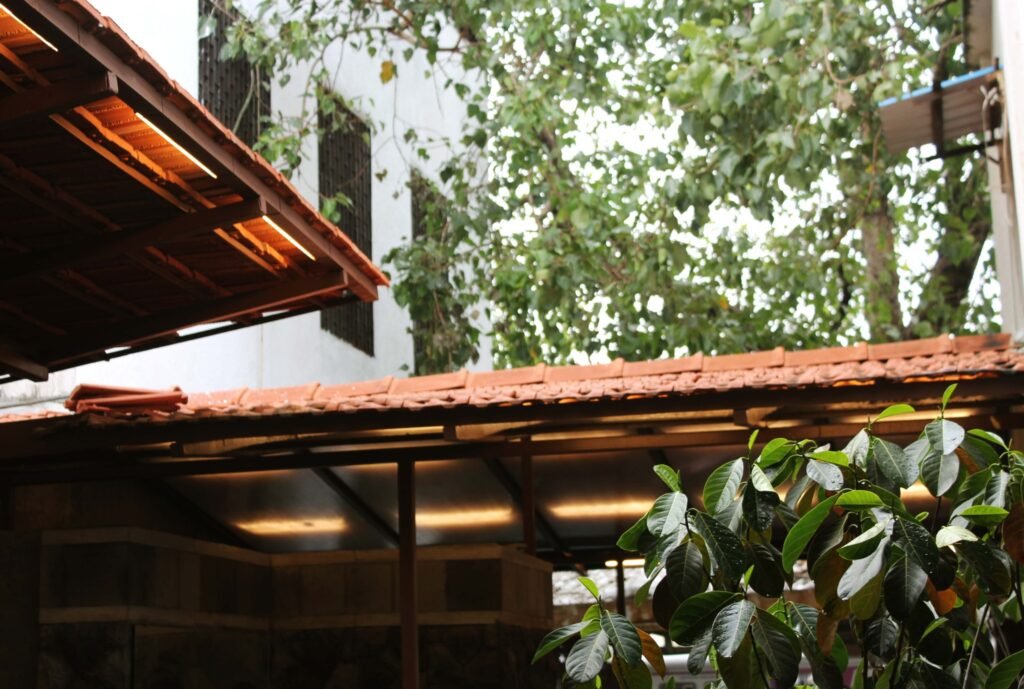
Located within the heritage precinct of Bandra railway station, the project is conceived as a careful insertion into the existing urban fabric, much like adding a new component to an existing machine so that it performs better. The material palette and structural language are therefore derived from the existing concourse building, ensuring continuity with its architectural context.