Anganwadi
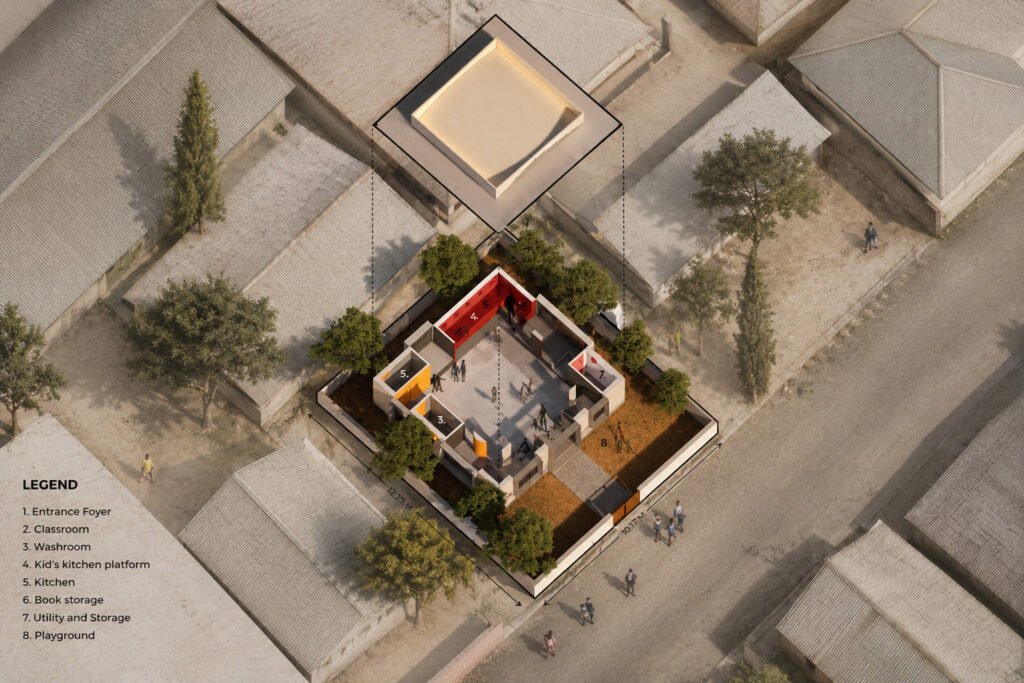
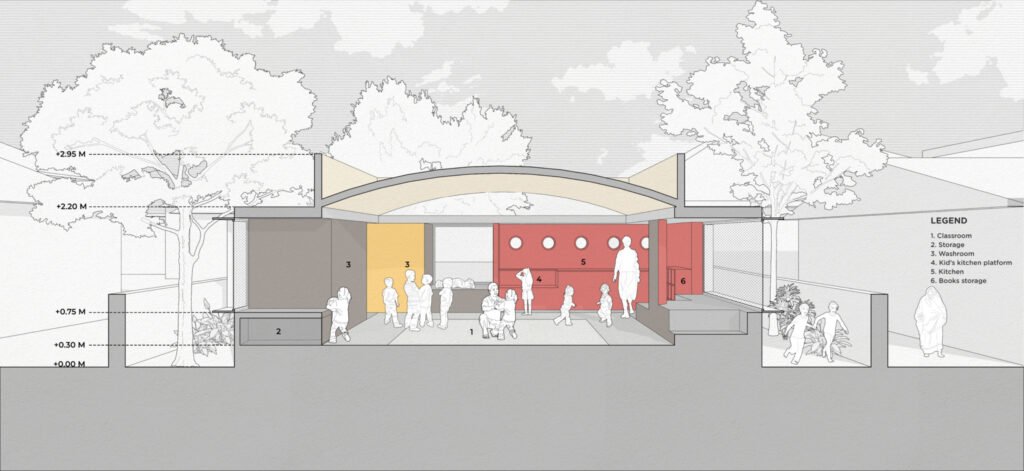
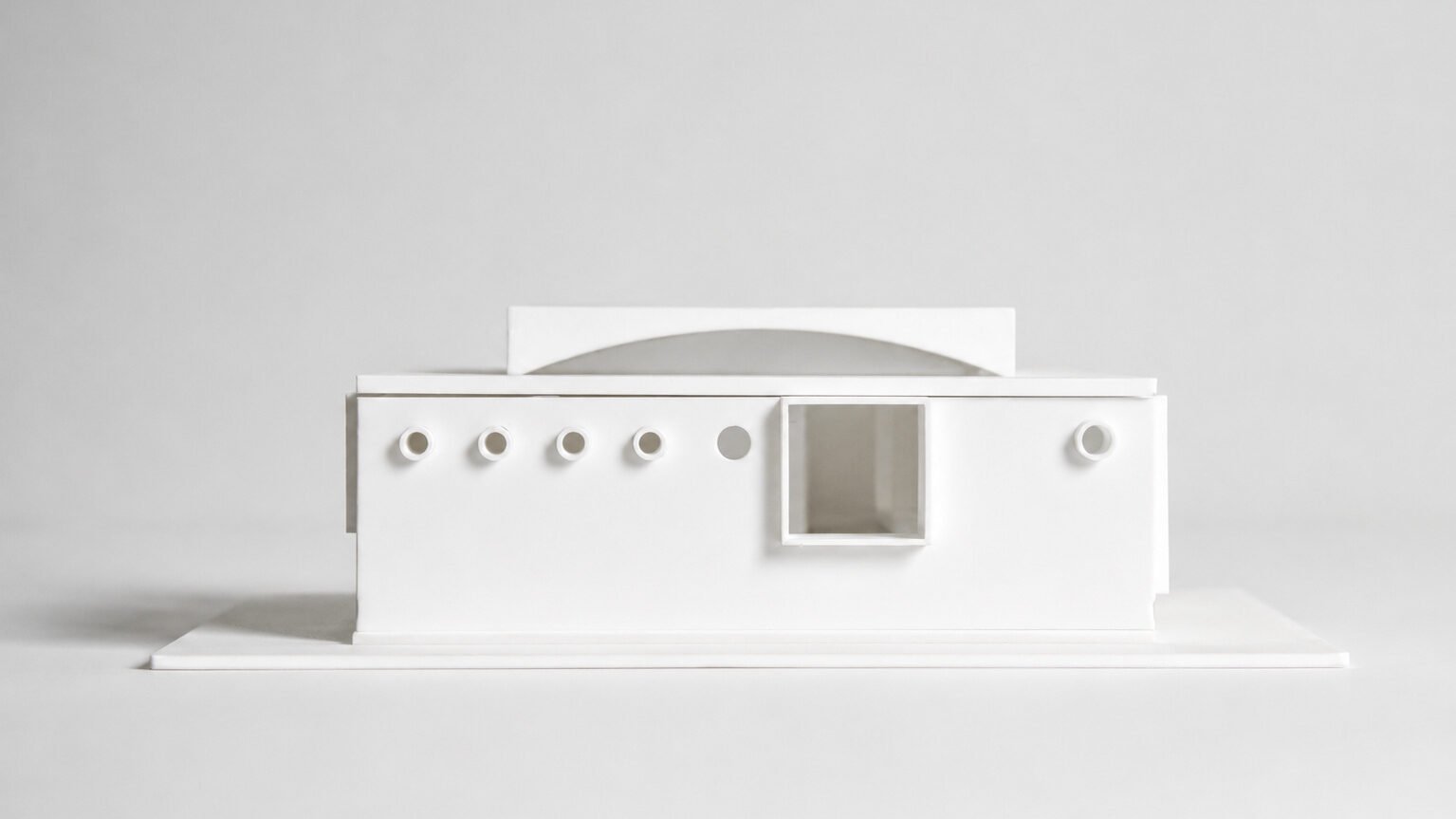
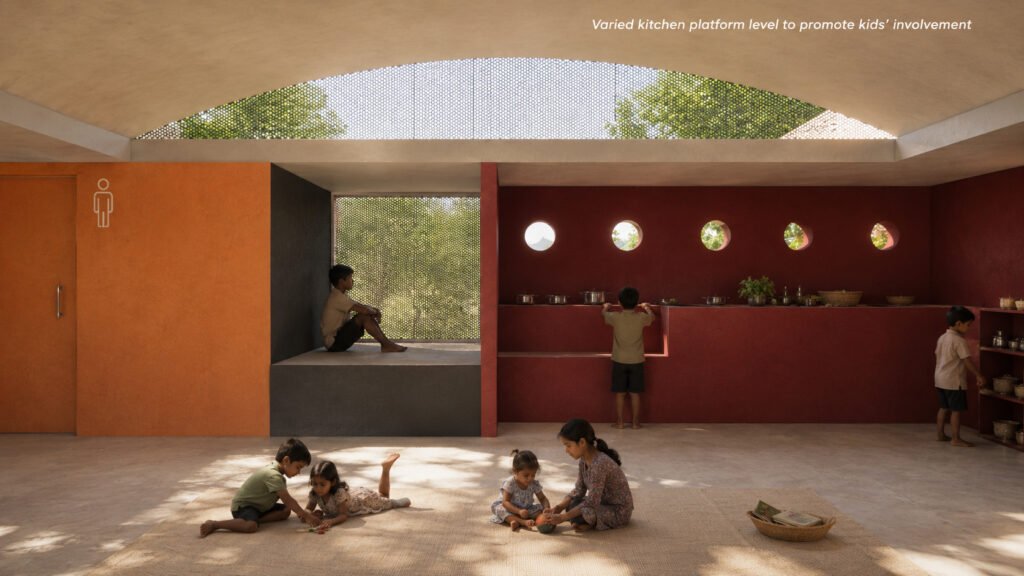
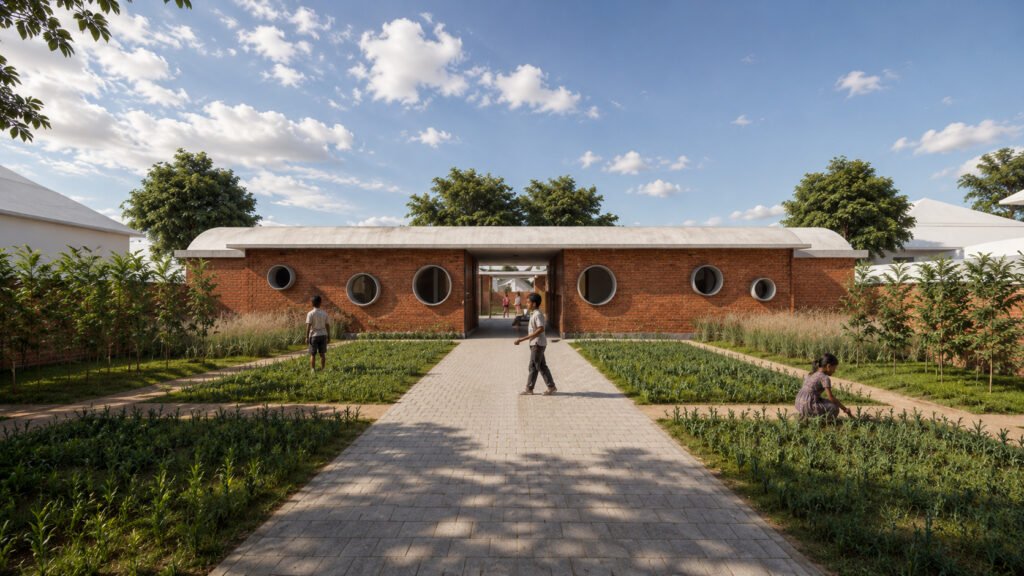
The Anganwadi is conceived as an enclosed volume wrapped by a 0.9 m wide peripheral layer that accommodates service functions such as the kitchen and toilets, while also creating interactive platforms for children to play, draw, and engage in creative activities. Measuring 7.25 m × 7.25 m, the central classroom is buffered by this transitional layer, which acts as an interface between the indoor and outdoor environments. Beyond ensuring safety for the children, the layer also helps regulate natural light, ventilation, and thermal comfort within the primary learning space.
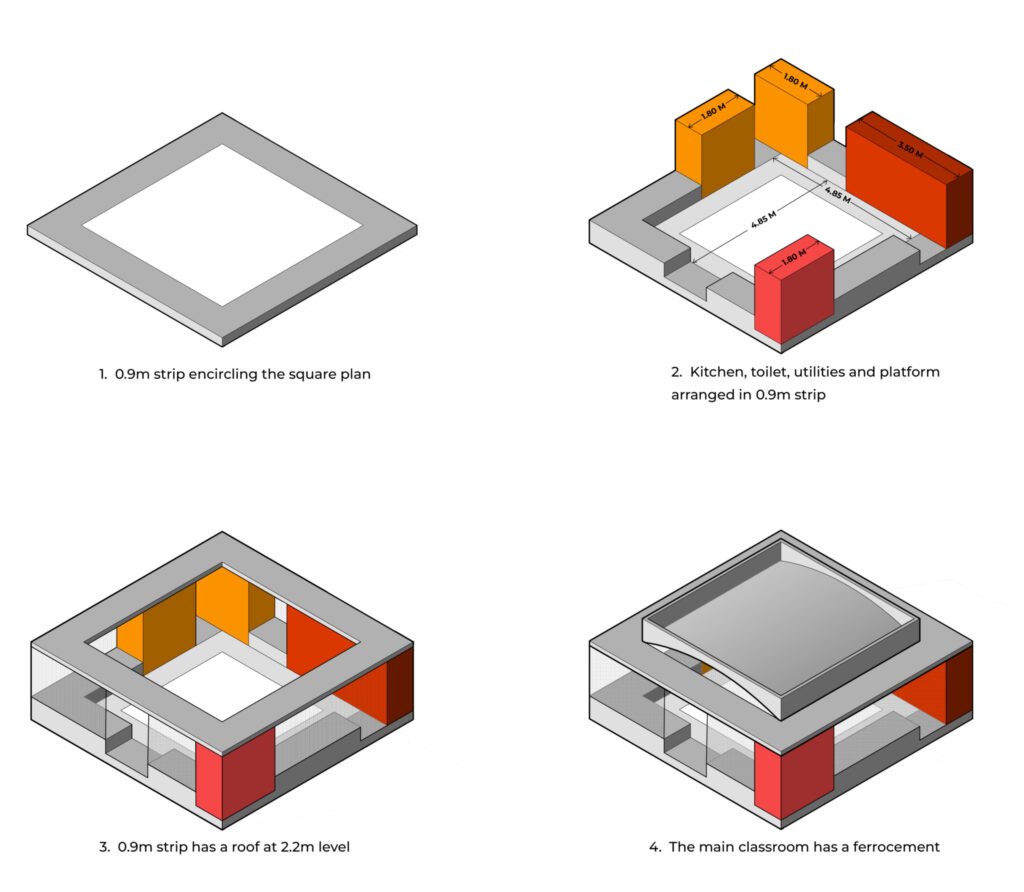
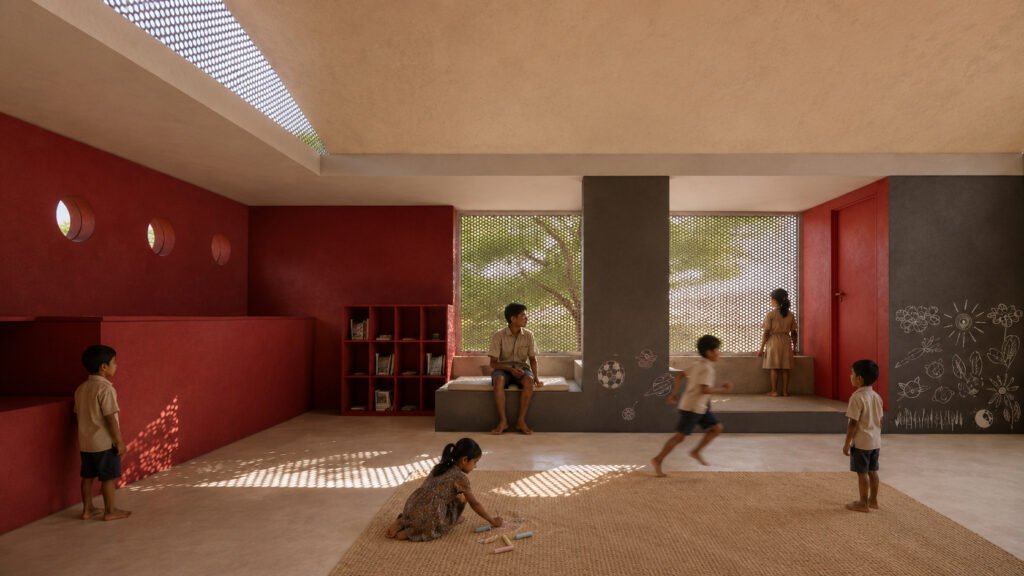
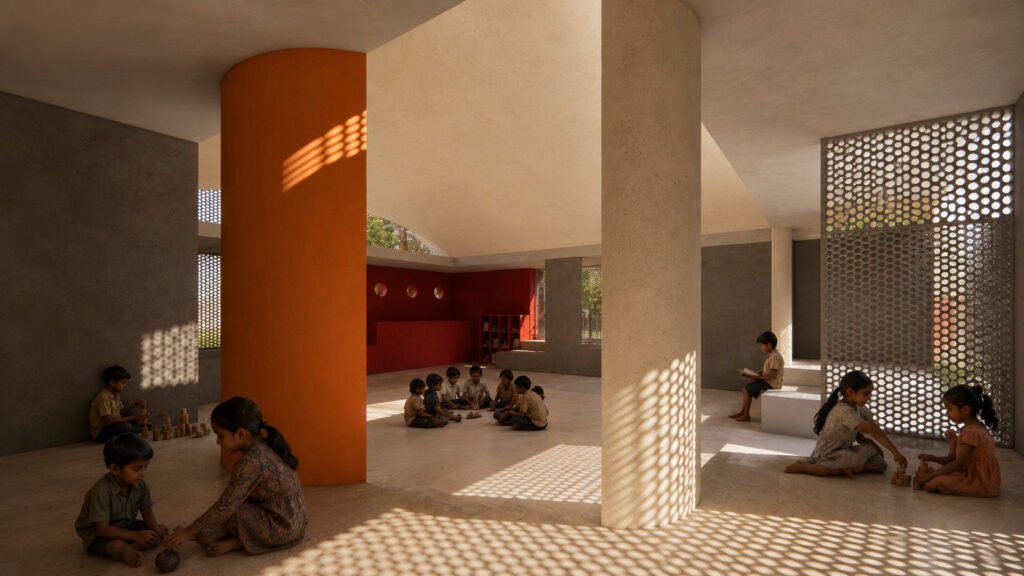
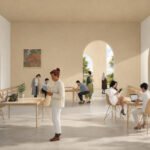
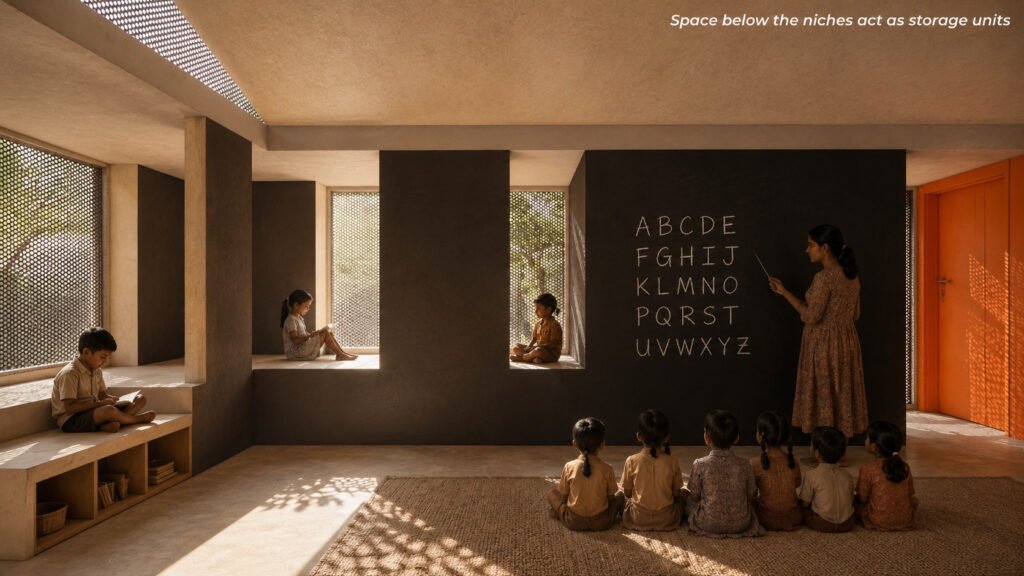
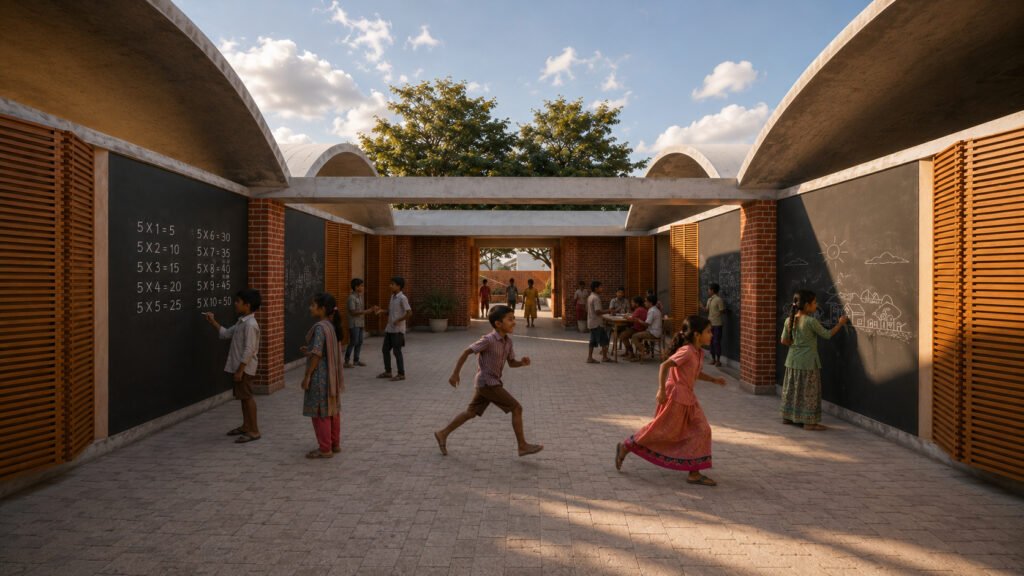
The main classroom, measuring 4.85 m × 4.85 m, serves as a shared space for children to gather, learn, and interact. Along its edges, a series of platforms creates opportunities for smaller group activities, informal interactions, and self-learning. The inner surfaces of the Anganwadi are finished with blackboard paint, transforming the walls into interactive learning surfaces where teachers and children can freely draw, write, and express ideas. The space encourages learning through participation, play, and exploration.
Single Classroom
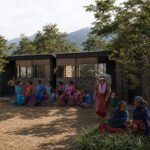
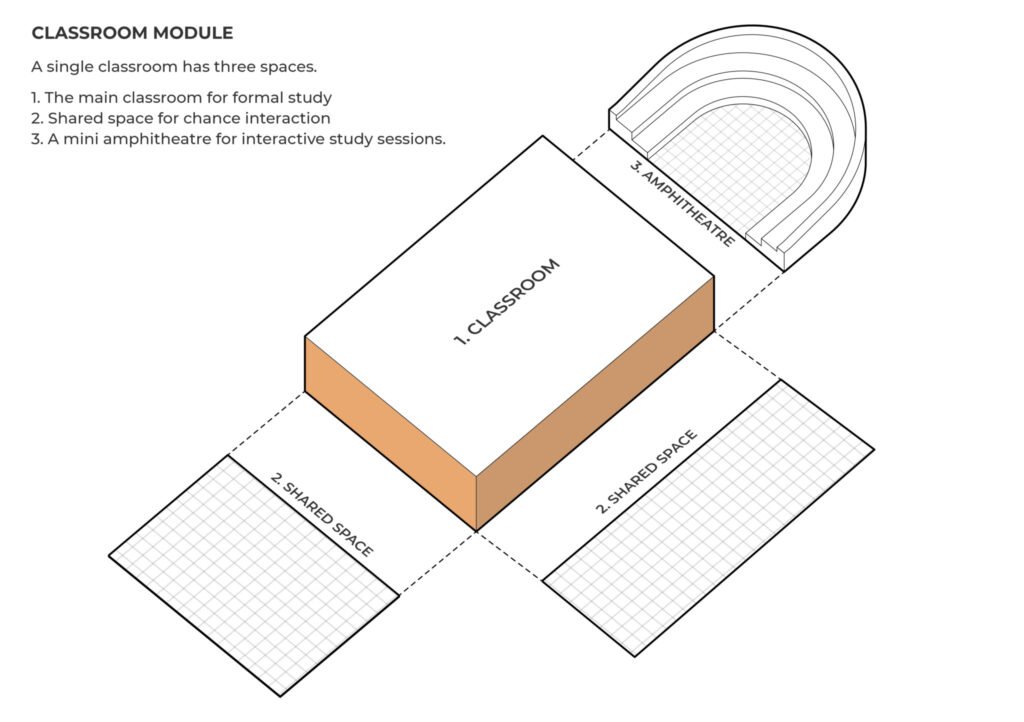
The single classroom is designed as a module that expands and opens out into an outdoor shared space for the spill-over activities of the class. It has three spaces.
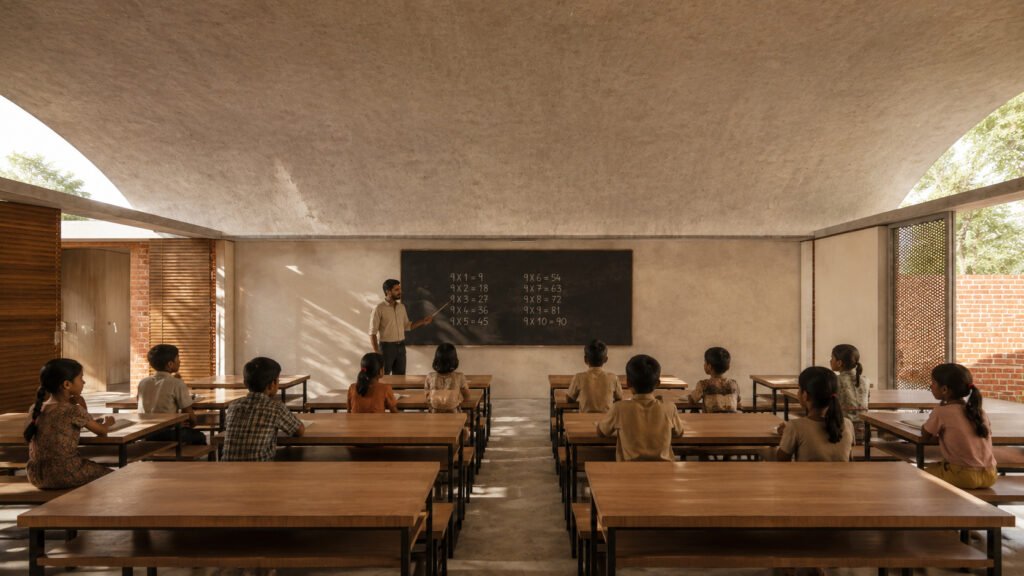
1. The main classroom for formal study. Unlike a regular classroom, this independent unit is designed to be self-sufficient and offers different forms of interactions and spill-overs on its three sides, while the fourth side holds the blackboard. The vault over the classroom ensures natural light and ventilation.
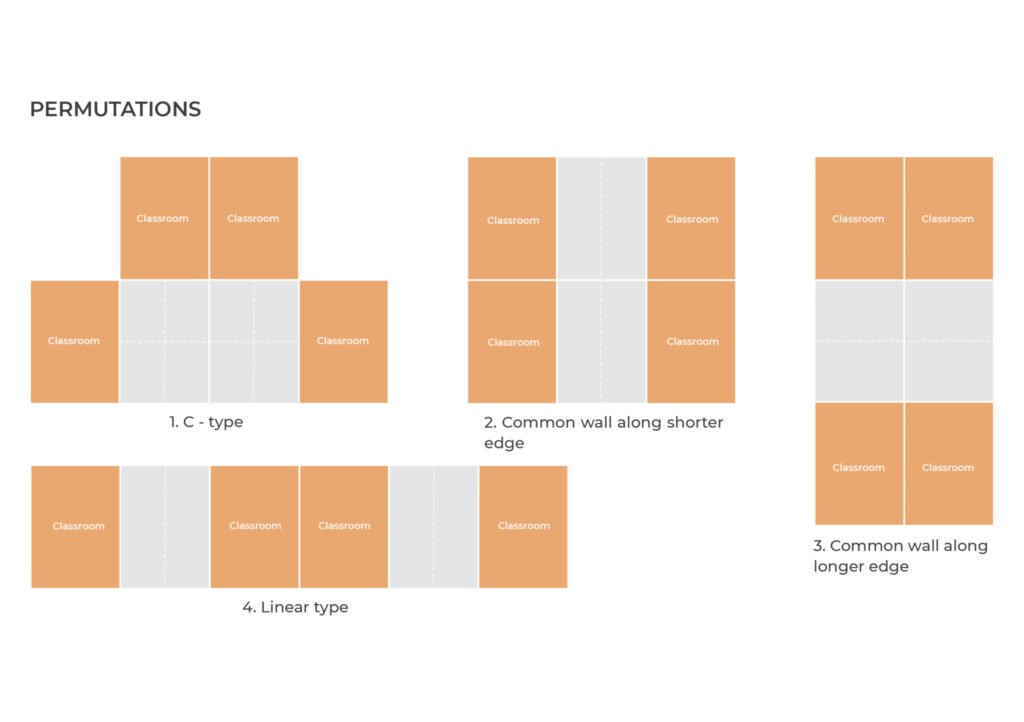
2. Shared spaces for chance interaction between the teacher and the students. These outdoor spaces are on two adjacent sides and are utilized as outdoor classrooms. This module can multiply to create a cluster of classrooms.
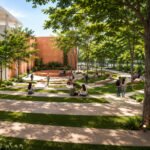
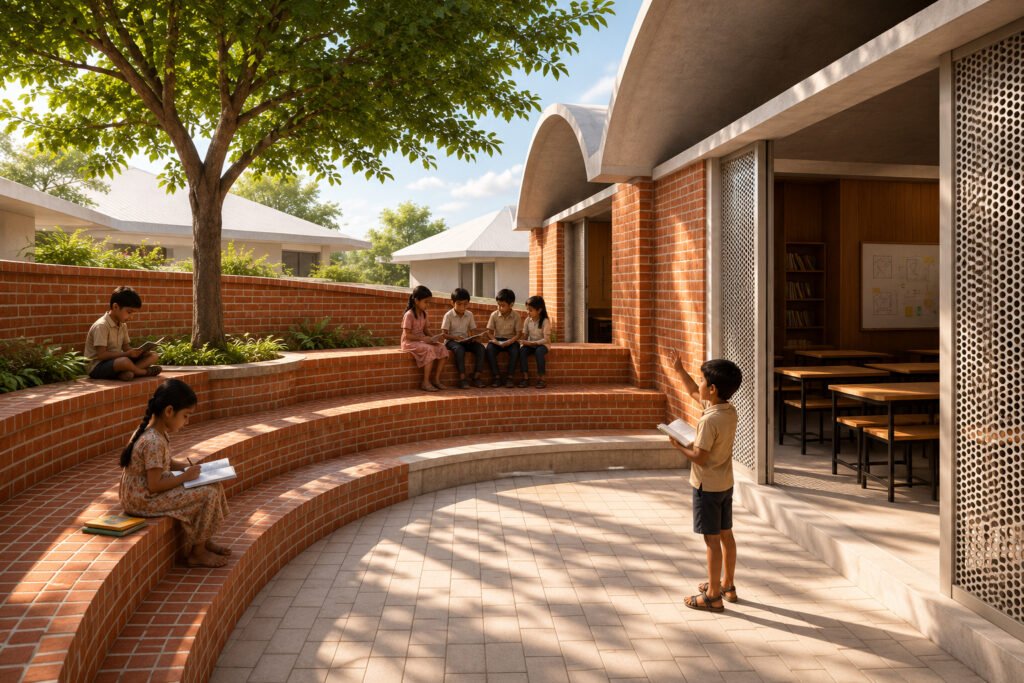
3. A mini amphitheater for interactive study sessions. This is an informal space where students can get together and interact.
Primary School
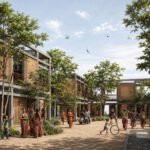
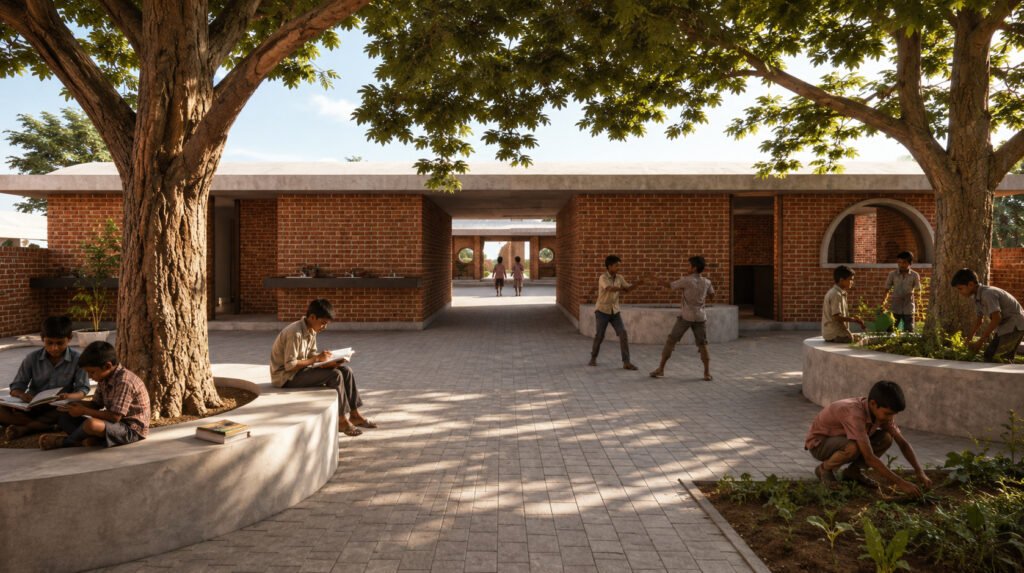
The primary school is envisioned as a system of classrooms interconnected through shared spaces that accommodate spillover activities beyond the conventional classroom setting. Positioned between two classrooms, these semi-open shared areas function as a third learning space, encouraging informal interactions, collaborative learning, and chance encounters between teachers and students.
The classroom system is developed through multiple spatial permutations, with the selected configuration enabling connections both through shared walls and through the intermediary common spaces. This arrangement allows the four classrooms and their shared areas to merge into a larger multipurpose environment that can host school gatherings, community events, and function as a resilient space during times of calamity.
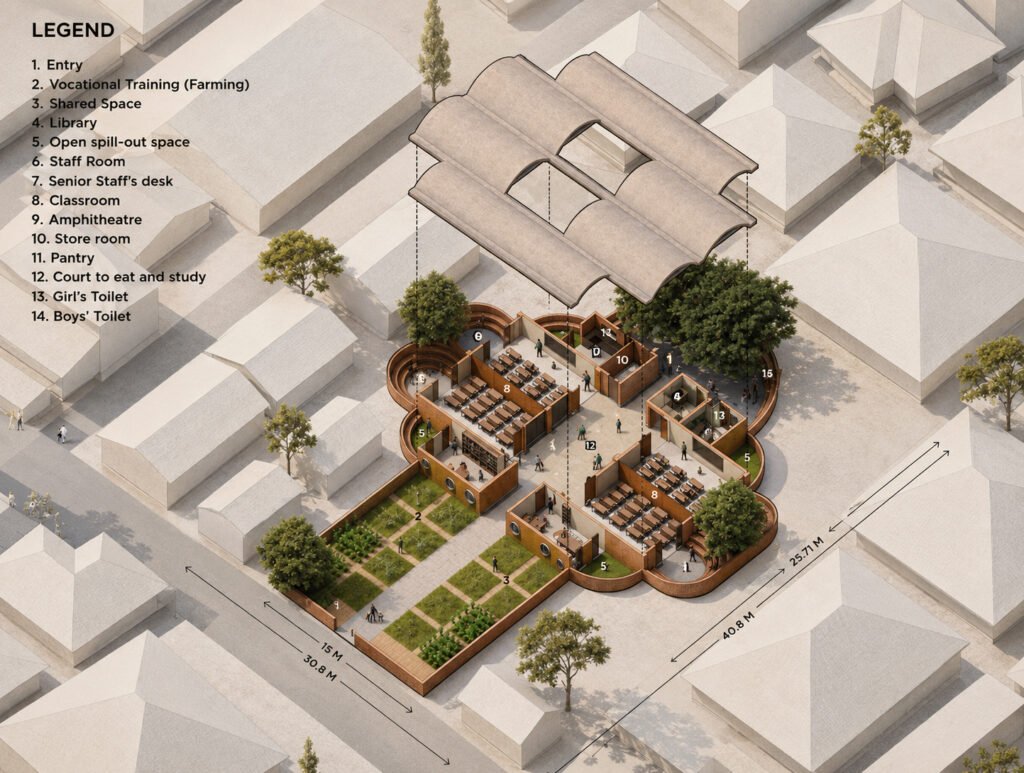
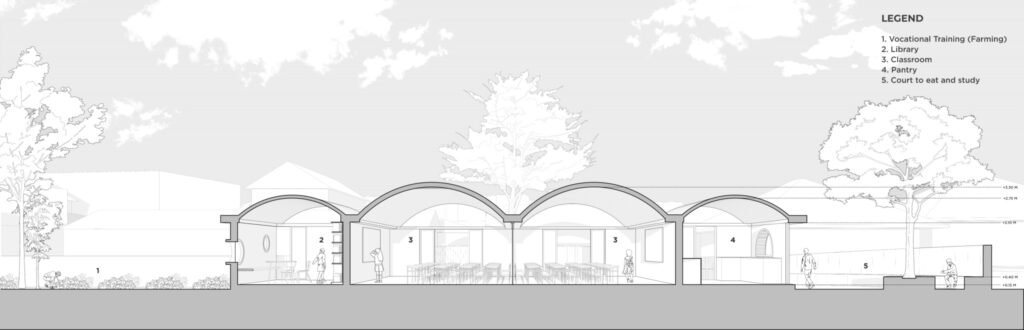
The library and staff room define the front facade of the school, forming the primary threshold through which students and teachers enter the campus. Located toward the rear are the pantry and toilet facilities, connected to a semi-circular court that accommodates students during meal times. Beyond its functional role, the rear court also serves as a flexible space for group activities, informal gatherings, and self-study, extending learning beyond the enclosed classroom environment.
Result: Third Prize